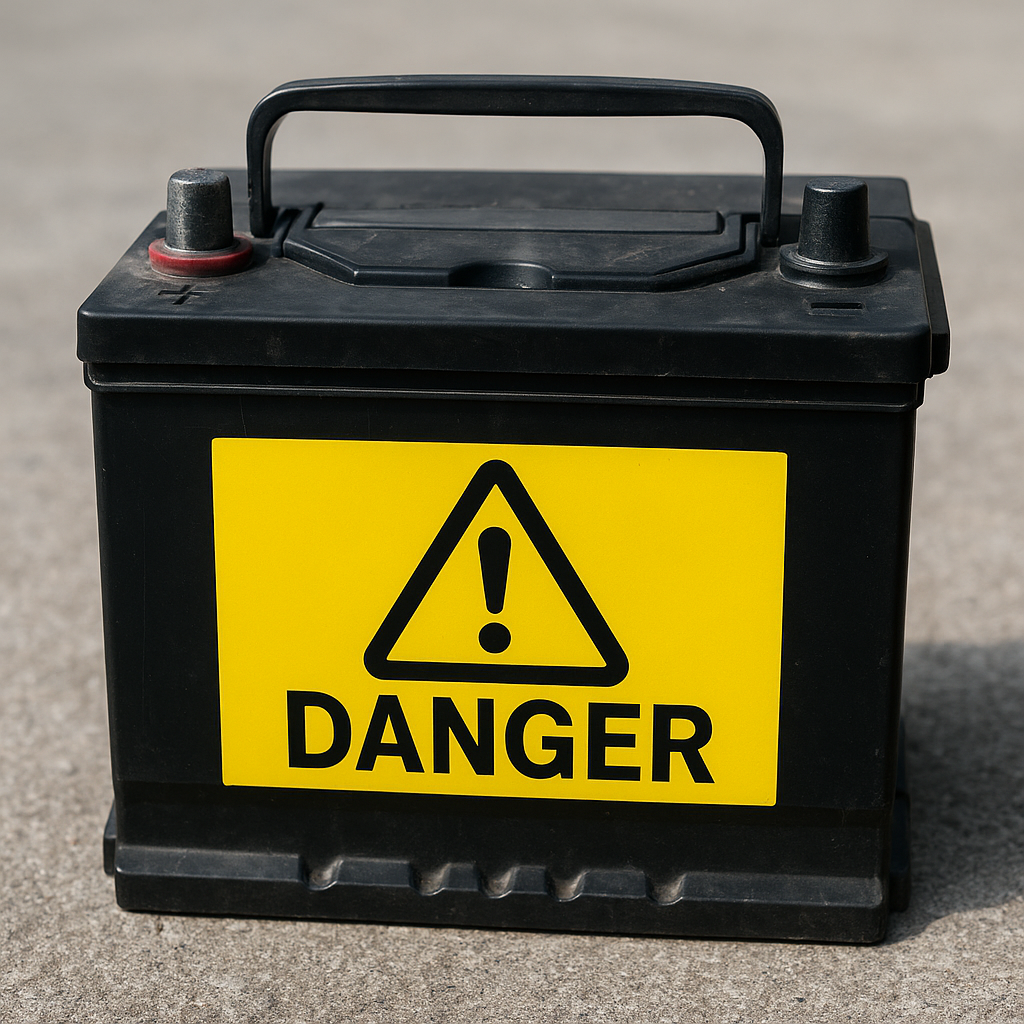
Which hazard class is automotive batteries: The Real Deal For Modern Transport
Look, I have spent over a decade moving freight across state lines and dealing with warehouse audits. One question keeps popping up, and it is not as simple as it sounds. When you throw a heavy slab into a truck, you need to know exactly where it sits on the regualtory ladder. I will cut through the bureaucratic noise and give you the straight facts.
Auto batteries are which hazard class: Breaking down the DOT system
The Department of Transportation does not mess around with heavy metal and acid. Back in the day, a standard flooded lead-acid unit was just heavy cargo. Today, the supply chain runs on strict compliance. The main category falls under Class 8, which covers corrosive materials. That is because sulfuric acid leaks can melt pallets and burn through cardboard in hours. Recycling plants and freight forwarders track this number daily, and getting it wrong means heavy fines or rejected shipments at the dock.
What hazard class is automotive batteries: Navigating UN codes and corrosive labels
You cannot just slap a random sticker on a pallet and hope for the best. The United Nations assigns specific identification numbers that tell drivers exactly how to handle a spill. For traditional wet cells, the code is usually UN 2794. If you deal with newer electric vehicles, you might run into UN 3480 for lithium-ion packs. The shift happened gradually. Ten years ago, we barely tracked these numbers. Now, every scanner at a weigh station checks the paperwork. I have seen routes delayed because someone forgot to mark the box with the proper corrosive label.
| Battery Type | UN Number | Hazard Class | Packaging Group |
|---|---|---|---|
| Lead-Acid (Wet) | 2794 | Class 8 | PG II |
| Lithium-Ion (EV) | 3480 | Class 9 | N/A |
| Sealed Gel/AGM | 2800 | Class 8 | PG II |
Automotive batteries are an example of which hazardous class in practice
Proper segregation during transport prevents chemical reactions that compromise structural integrity of cargo containers. Always verify the Safety Data Sheet before loading.
When you look at real-world logistics, the rules force you to separate these units from general merchandise. You need spill kits on board, and drivers must carry emergency response guides. The industry moved from casual handling to rigorous training programs. I remember loading trucks in the nineties with zero paperwork. Now, we scan barcodes, check temperature thresholds, and log every shippment movement. The progress is undeniable, but it demands attention to detail. A single typo in the manifest can hold up an entire trailer.
Automotive batteries are which hazard class when shipping overseas
- Follow IMDG codes for ocean freight with strict stowage requirements.
- Check IATA Section II limits if flying smaller packs.
- Keep terminals covered to prevent short circuits during transit.
International borders add another layer of complexity. The European ADR framework aligns closely with US PHMSA rules, but minor variations still trip people up. You can track the latest 2026 amendments through official channels like the Pipeline and Hazardous Materials Safety Administration at phmsa.dot.gov. The regulations keep evolving, especially as solid-state tech starts replacing older designs. I advise keeping your compliance calendar updated and never guessing when it comes to chemical transport. The margins for error are practically non-existent.